What to Buy First When You Have a Limited Wardrobe Budget
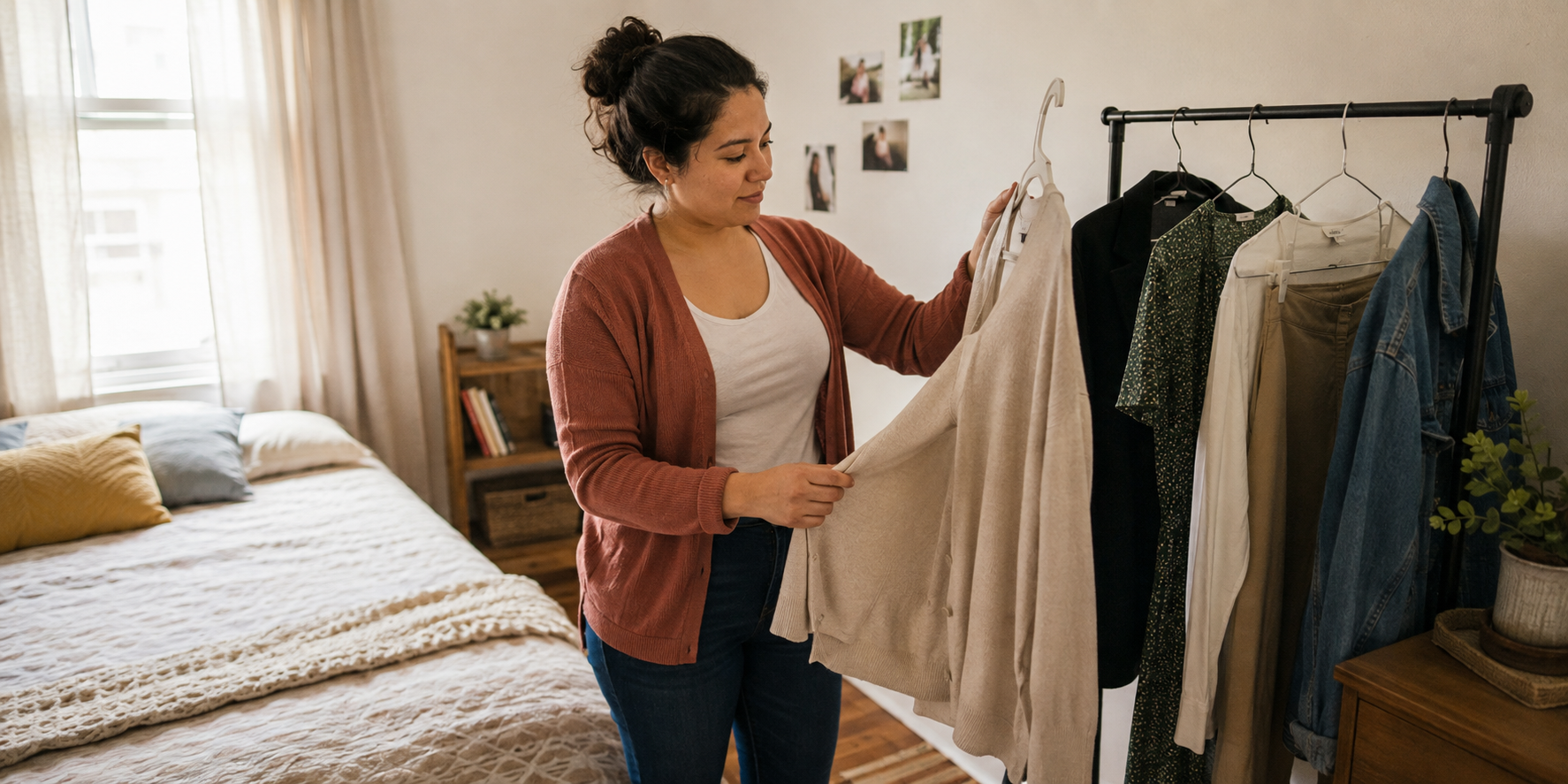
Shopping for clothes can feel overwhelming when you need several items but can only afford one. Maybe you need something for an interview, a pair of pants for work, comfortable shoes and a few everyday outfits. You walk into the store knowing you can’t buy it all, so choosing the wrong thing feels like a mistake you can’t afford to make.
If you have ever stood in a fitting room trying to decide whether the item in your hand is the right choice, you’re not alone. When money is limited, shopping is not always fun. We want you to know that there is nothing embarrassing about building your wardrobe slowly. You don’t need a closet full of clothes to look put together or feel like yourself.
The best place to begin is not with a list of clothing that someone says every woman should own. Your first purchase does not have to be a black blazer, a white button-down shirt or a little black dress. It should be the piece that will help you most in the life you are living right now.
Think About What Is Coming Up First
Before you shop, think about the next 30 days. Where do you need to go? Do you have a job interview, a new job, classes, appointments or meetings at your child’s school? Are you trying to replace everyday clothing after a move or another major change in your life? You don’t have to prepare for every event that could happen. Start with what you know is coming.
Let’s say you have $60 and are looking for work. You could buy three tops because they are on sale, but if none of them works with the pants you already own, you may still have nothing to wear to an interview. That same $60 is better spent on one pair of pants that fits well and works with two tops already in your closet. Those pants could take you from an interview to your first day of work and later to an important appointment.
Write down the three places you go most often and one place you’ll need to go soon. Then write down what you already have for each one. You may notice the same missing piece more than once. If one cardigan would work for your job, group meetings and an appointment, that cardigan should probably come before something you can only wear one way.
Look at What You Own Before Spending Money
Before heading to a store, take a little time to go through your closet. Try things on because our bodies and our lives change, and something that worked a year ago may not work today. Set aside anything that fits, feels comfortable and is still in good condition.
You may find more possibilities than you expected. A jacket you usually wear with jeans may also work over a dress. A blouse that feels too sheer on its own may look great under a sweater or jacket. A pair of pants you stopped wearing may only need a loose button sewn back on or a quick press.
Next, look for outfits that are almost complete. Maybe you have two tops that would work for a job but no pants to wear with them. Maybe you have a dress you feel good in but no comfortable shoes to go with it. The item that completes more than one outfit is often the smartest thing to buy first. One useful piece can help clothing you already own come back into your life.
Decide What You Need Most and Will Wear Often
Once you know what is missing, ask yourself two questions: How soon do I need this, and how often will I wear it? Something you need next week and can wear several times a month belongs near the top of your list. Something for an event that may happen months from now can wait.
Sometimes the most important purchase is not a full outfit. It may be the blouse that makes your pants right for an interview, the shoes that allow you to stand comfortably through a workday or the jacket that makes several outfits feel finished. If your new job has a dress code, start with the piece you will need most often. If doing laundry during the week is difficult, choose something that can be worn more than once and is easy to care for.
Before you buy an item, think of three ways you can wear it with clothing you already own. Be honest with yourself. Do not count outfits that require you to buy something else. If a pair of pants only works after you purchase new shoes and two new tops, it is not helping you today.
Choose What Fits, Not What Has the Best Label
When money is tight, a familiar brand name or a big discount can make something feel like a good deal. But even a low-priced item is a waste of money if it’s uncomfortable or ends up just sitting in your closet.
When you try something on, move around the way you would in everyday life. Sit down, raise your arms, bend and walk. Pay attention to whether the buttons pull, the waistband rolls or the hem rises too high. You should not have to spend the day tugging at your clothes or worrying about how you look. Your clothing should fit comfortably so you can focus on where you are and what you are there to do.
If you are thrift shopping be sure to look over each item carefully. Check for stains, holes and worn seams. Make sure the zippers, buttons and snaps work, and look at the soles and heels of shoes. Sewing on a missing button may be an easy fix, but a broken zipper, permanent stain or damaged shoe could end up costing more to repair than the item is worth.
A Low Price Does Not Always Equal a Good Buy
Clearance racks and thrift stores can be helpful when you are shopping for affordable women’s clothing, but low prices can also make it easy to spend money on things you do not need. Five items that cost $8 each will use the $40 you planned to spend on work shoes. You may leave with more pieces, but still not have the one thing you went shopping for.
Before putting something in your cart, ask yourself: Does it fit me now? Is it comfortable? Can I wear it with at least three things I own? Will I actually wear it in my daily life? Is it in good condition? If the answer to several of those questions is no, leave it behind. Saving money is not about finding the lowest price. It is about spending your money on something you will truly use.
Set a spending limit before you shop, and do not take money away from food, transportation, rent or other necessities. Make your list specific and put it in order. “One pair of dark work pants, then one washable top if I have money left” will help you much more than writing “work clothes.” A clear list gives you something to return to when a sale or a pretty item tries to pull your attention away from why you came.
Build Your Wardrobe One Useful Piece at a Time
For one woman, the first five pieces might be dark pants, a printed blouse, flats, a cardigan and a solid top. For another, they may be dark jeans, a washable shirt, sneakers, a casual jacket and a top in a color she loves. Both women are making good choices because they are choosing clothing for their own lives.
Your wardrobe doesn’t need to look like anyone else’s. It should make sense for where you go, what you do and how you want to feel when you get dressed. Practical does not have to mean plain, and shopping carefully does not mean giving up your personality. If two items meet the same need, choose the one that feels more like you.
You’re allowed to repeat outfits. Repeating an outfit does not mean you have failed at style. It means you found something that works. Clean, well-fitting clothing worn with care can make a stronger impression than a closet full of pieces you never feel comfortable wearing.
So, what should you buy first on a limited wardrobe budget? Buy the piece that solves your most immediate clothing need, works with what you already own and can be worn more than one way. It may be a pair of pants, comfortable shoes, a blouse or a warm layer. There is no single right answer because every woman’s life is different.
Most importantly, please do not measure your worth by what is hanging in your closet. Having a limited budget does not make you less deserving of clothing that fits, feels good and helps you show up as yourself. You do not have to wait until you can afford an entire new wardrobe. One purchase can complete an outfit, ease some of your worry and help you take the next step in front of you.
At Well Dressed, we care about much more than putting clothing on a woman’s body. We care about how she feels when she sees herself, how she wants to be seen and what she is preparing to do next.
Needing clothing can be part of a much bigger moment in a woman’s life. She may be starting school, rebuilding after a difficult season or entering a room where she wants people to see who she is today. We want her to feel cared for as she takes that step.