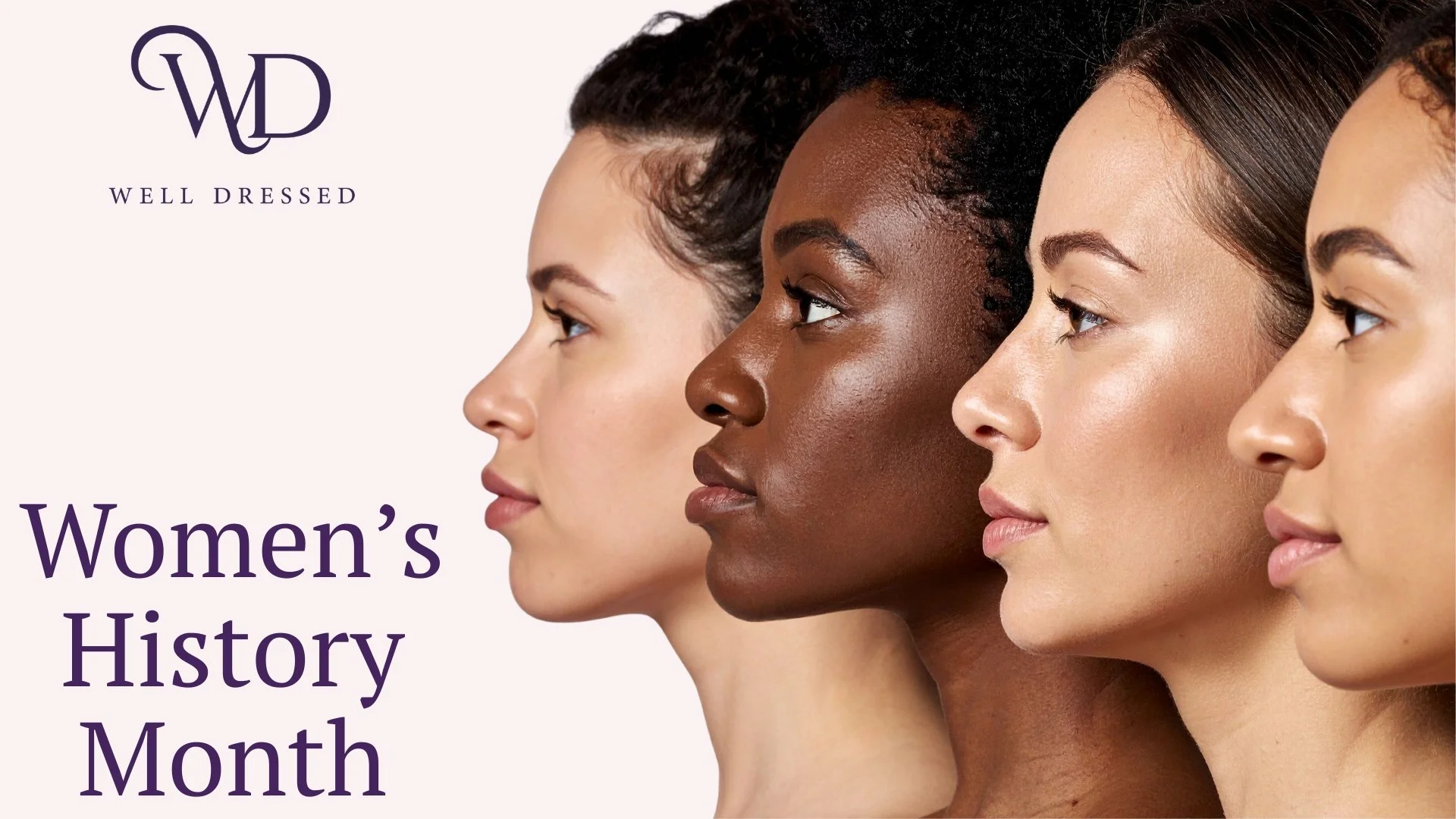
Every March, attention turns to the women whose names shaped history. Their courage altered laws, expanded rights and redefined what was possible. Their stories deserve to be remembered because they changed the trajectory of generations. They demanded access when access was denied. and insisted on visibility when invisibility was safer. They refused to accept limits placed on their potential.
But women’s history did not end wit those victories.
It continues in quieter, deeply personal ways — in housing communities, in classrooms, in workforce development programs and in living rooms where women are rebuilding their lives piece by piece. Women’s history is not only written in legislation or public speeches. It unfolds every day in the choices women make when they decide that hardship will not define their future.
Across the country, women are stepping into stable housing after long seasons of uncertainty. Women are returning home from incarceration determined to build something steady. Survivors of trafficking are reclaiming safety, identity and autonomy. Young women aging out of foster care are navigating adulthood without the safety net many rely on. These women may not be featured in documentaries or history books, but their courage is no less significant. They are writing history in real time.
Women’s progress has always been about access — access to education, to employment, to ownership, to opportunity. Access reshapes possibility because it changes daily experience. While conversations about equity often center on policy and systems, access is felt most clearly in the ordinary rhythms of life. It shows up in whether a woman feels prepared to walk into an interview. It shows up in whether she can attend a meeting without distraction or embarrassment. It shows up in the quiet confidence of knowing she belongs in the spaces she enters.
Clothing exists inside that reality.
It can seem small in comparison to housing, healthcare, or employment pathways. Yet clothing intersects with identity in ways that are both practical and deeply psychological. Research on enclothed cognition shows that what a person wears influences behavior, focus and confidence. Clothing affects posture. It shapes perception. It can either reinforce hesitation or strengthen presence. These shifts are subtle but measurable.
For women navigating major life transitions, access to new clothing can remove barriers and create forward momentum. That momentum affects how a woman feels when she looks in the mirror before an interview. It affects how she introduces herself. It influences whether she walks into a room with guarded energy or steady assurance.
Many women rebuilding their lives have spent extended periods in survival mode. Survival requires adaptability. It demands resilience. It leaves little room for preference or personal expression. Clothing during those seasons is often whatever is available, whatever fits, whatever can carry someone through the day. Choice narrows. Identity becomes secondary to endurance.
A woman trying on a tailored jacket notices her posture change. She studies her reflection and sees capability rather than limitation. She adjusts the sleeves and feels prepared instead of exposed. The garment does not create her potential, but it mirrors it back to her.
Another woman receives everyday essentials — soft loungewear, slippers that fit properly, clothing intended for rest rather than survival. These items may appear modest, yet they restore something fundamental: normalcy. They create continuity between public life and private life. They signal that comfort and dignity are not privileges reserved for others.
Rebuilding confidence is frequently discussed in professional terms, connected to employment and financial stability. Professional attire does influence hiring outcomes and first impressions. That reality cannot be ignored. But confidence is not formed exclusively in interviews or workplaces. It develops in daily rituals — in how a woman feels when she wakes up, in whether she feels grounded in her own space.
When clothing supports both public presentation and private wellbeing, dignity becomes consistent rather than conditional. A woman no longer feels polished in one environment and diminished in another. There is integration between how she sees herself and how she shows up.
Throughout history, clothing has carried weight for women. It has been used to enforce norms, regulate bodies, and communicate expectations. Dress codes have shaped access to institutions. Professional standards have policed presentation. At the same time, clothing has also been a site of resistance and autonomy. Women have used it to claim space, challenge conventions, and assert belonging in places that once excluded them.
Economic mobility requires more than job opportunities. It requires confidence, preparation, and sustained belief in one’s own capacity. Clothing alone does not dismantle systemic inequities. Housing, policy reform, education, and access to employment remain critical. Yet clothing can support women as they navigate those systems. It can remove one layer of vulnerability. It can reinforce the belief that they are worthy of opportunity.
Women’s History Month encourages reflection on past milestones, but it also offers space to recognize ongoing transformation. The woman attending her first interview after years of instability is part of that transformation. The mother walking into a school meeting feeling prepared rather than anxious is part of that transformation. The young woman determined to define herself beyond her upbringing is part of that transformation.
History is not only shaped by sweeping reforms. It is shaped by cumulative acts of courage that alter the direction of individual lives. It is shaped by resilience practiced repeatedly. It is shaped by decisions that replace resignation with determination.
Women’s history is still being written today in housing communities where stability is taking root. It is written in workforce readiness sessions where women practice introducing themselves with confidence. It is written in closets that reflect possibility instead of scarcity.
The ability to choose how to present oneself to the world is not superficial. It is an expression of autonomy — the same autonomy women have fought for across generations. When a woman exercises that choice, even in something as practical as clothing, she participates in a legacy of self-definition.
The story of women’s progress remains unfinished. It evolves with each woman who decides that her past does not have to dictate her future. It evolves when stability replaces chaos, when confidence replaces hesitation, when dignity becomes embodied rather than aspirational.
This Women’s History Month, remembrance can expand to include recognition. Recognition of the women rebuilding quietly. Recognition of the women redefining themselves outside of headlines. Recognition of the women who are shaping families, strengthening communities, and creating stability where there once was uncertainty.
Women’s history is still being written today — not only in moments of public triumph, but in steady acts of personal courage. It is written in resilience reclaimed. It is written in futures imagined and pursued. And sometimes, it begins with something as tangible and profoundly human as the ability to choose what to wear while stepping into a new chapter.